Thursday, November 12, 2015

20 Delicious Ways to Use Fresh Citrus in Your Thanksgiving Feast

What’s your favorite holiday? Although my children’s wild enthusiasm for Halloween is infectious, and I love all the sweet family traditions of Christmas, there’s something about Thanksgiving that’s really won my heart over the years. It’s funny, because it wasn’t at all my favorite when I was a child. In fact, I have to confess that I once considered the day stuffy and boring. But as I’ve grown older, the simple pleasure of gathering with friends and family for a day of togetherness and delicious food has come to mean a lot to me.

I’m only halfway a traditionalist when it comes to the food on the table at Thanksgiving, though. There had better be stuffing and pie, but I definitely like to mix things up and try new recipes. One dish I do find it hard to be without is my mother’s simple cranberry relish. There’s nothing especially fancy about it—in fact, the recipe comes off the back of the cranberry bag—but its bright tang is a perfect complement to the other rich flavors on the Thanksgiving plate. What makes the relish perfect is the inclusion of a whole seeded orange.

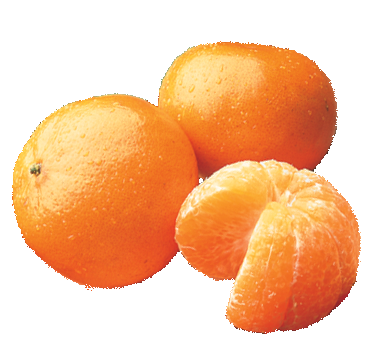
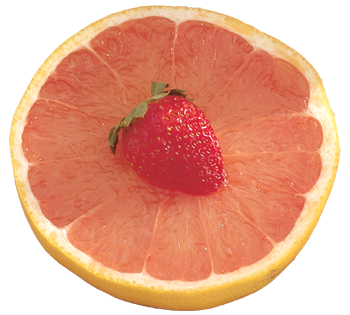
As a matter of fact, seasonal citrus marries beautifully with every course on your Thanksgiving table. Dishes featuring fresh Florida oranges, tangerines, and grapefruit add a light, bright note to what can be a heavy meal. These fruits have just come into season and are fresh, juicy, sweet, and at their peak. The gorgeous fall color is another beautiful bonus. Read on for a cornucopia of delicious ways to incorporate fresh, seasonal citrus into your Thanksgiving celebration. You’ll want to make these recipes a new tradition.

At the Table

What could be easier and prettier than using fresh citrus? Try a wooden bowl full of fresh oranges and pine cones, or a rustic table runner set about with oranges, tangerines, small gourds, greenery, and candles. If you’re setting a more formal table, small tangerines or Page oranges tagged with names cards (wrap the fruit in pretty tissue paper, then tie with decorative twine and attach the tag) make for gorgeous named settings, with a small gift built in.


To whet their whistles
Cranberry-orange mulled wine is truly a special holiday treat.
This cranberry-orange mulled wine, made with Cabernet sauvignon, brandy, spices, and fresh- sliced oranges, is a special, deeply warming treat, perfect for celebrating. It can be served cold as a sangria if you’re living the Florida lifestyle! After dinner, try this bourbon citrus hot toddy, made in the slow cooker for the ease of the bartender. And for those who prefer not to drink alcohol, how about this refreshing Grapefruit Mojito “mocktail” or a “virgin mimosa”--a mix of sparkling white grape juice and freshly-squeezed orange juice?


Gorgeous salads

Every Thanksgiving table needs at least one beautiful colorful salad to balance out all the turkey and buttery side dishes. Don’t make this an afterthought—instead, embrace the beauty of winter produce and fruits and create a gorgeously bright, refreshing dish, like this beet and tangerine salad with cranberry dressing, this crisp but luscious platter of oranges, fennel, and avocado, or this showstopper citrus-kale salad, featuring goat cheese, ruby red grapefruit, baby kale, and a fresh orange juice dressing.
Oranges can add a splash of flavor and color to any salad.

The Main Affair

 
Citrus is a perfect addition to your Thanksgiving bird.
Citrus also pairs perfectly with poultry! This brandy and tangerine-glazed roasted turkey includes so many delectable sounding ingredients—fresh tangerines, tangerine marmalade, and fresh sage, chives, rosemary and thyme—wow! The dish starts off with a cider and citrus brine. If you haven’t tried this technique, you really should—it makes for a moist, well-seasoned bird. If that tangerine masterpiece seems like too much, go simple and opt for just the brine and roasting, or try this one (which uses only the orange peels, so you get the juice and flesh for another purpose).
But wait…have you got vegetarian guests this year? Even a vegan? Never fear. These citrus-tamari tofu steaks with rosemary and warm satsumas (feel free to sub in tangerines if that’s what you have) are fast and easy and absolutely Thanksgiving-appropriate, even for those who do not eat dairy, egg, or grains.

On the side

Citrus pairs naturally with sweet potatoes, carrots, or squash. This year, why not try out this citrus candied yams recipe, made a bit lighter and brighter with the tang of fresh orange? And if you enjoy carrots at Thanksgiving, these citrus maple-glazed ones (roasted in the oven with tangerines!) look delectable. Not everyone love brussel sprouts, but for those who do (and I’m one!), these orange-glazed brussel sprouts with butternut squash will look irresistible. Finally, let’s not forget the cranberry sauce, since cranberry and orange are meant for each other. If you enjoy a cooked version, this simple orange-cranberry sauce will be the perfect accompaniment to your bird. But if you’d like my mom’s classic recipe, the one it isn’t Thanksgiving without in my book, here it is. It’s so simple, but adds sparkle to your plate.


Room for Dessert?
Cranberry-orange cakes are festive show-stoppers!

You’ve tried pineapple upside-down cake, but what about a citrus upside-down cake? This simple but beautiful recipe can feature oranges, grapefruit, tangerines or clementines, and would be wonderful with whipped cream or ice cream. Hosting guests who eat gluten-free? This moist, fragrant almond-based tangerine cake has no exotic flours or ingredients; it’s based on an old Spanish recipe that’s naturally flour-free, and every guest will love it. No one can resist a pecan pie, but if you’d like to gild the lily, try this bourbon-orange pecan pie. Finally, if you didn’t make that cranberry-orange sauce for a side dish, or even if you did, why not add this beautifully festive cranberry-orange cake to your holiday dessert table? The taste is pure holiday season.

I don’t know about you, but I’m absolutely starving now and can’t wait for Thanksgiving to come. The only problem is that I’m really not sure how to choose which of these incredible-sounding recipes to make—maybe all of them? Enjoy the bounty of fresh Florida citrus around your holiday table.

Want to be notified when we post more articles? Sign up for our mailing list!

Wednesday, November 4, 2015

A College Care Package to Keep Your Student in Good Health

Got a new college student living away from home for the first time this year? If so, you know that the experience of sending your son or daughter off to school (didn’t you JUST bring that baby home from the hospital?) can be an emotional roller-coaster for parent and child alike. Some days, it may seem like your student has no interest in telling you the first thing about his or her life. The next day, your cell phone may be ringing at midnight with a teary kid on the other end of the line.

Among the many ways you can be a helpful and supportive parent, sending a care package is a favorite. Every student out there loves to get a care package for home. I don’t know about you, but I was always jealous of the kids I saw picking these up in the mail-room when I was in school! Of course, there are all kinds of ideas out there for care packages—quarters for laundry, fancy coffee, deluxe toiletries, replacement school supplies, and on and on. But no one can deny that “tasty snacks” is probably near the top of the “most wanted” list for most college students.

So here’s a great suggestion: why not send a fresh, delicious, and incredibly healthful gift box of Florida oranges, tangerines, or Honeybells to your student? This different but delectable care package will be appreciated by your student and his or her roommate, housemates, or fraternity or sorority brothers or sisters alike. Florida citrus is the perfect choice for busy, stressed-out students. Our sweet, juicy, easy-to-peel fruit is delicious and picked at the peak of perfection. Plus, unlike typical dorm snacks and junk food, Florida oranges, tangerines, or grapefruit are absolutely great for them, and all that vitamin C will their immune system.

Remember, while there’s nothing wrong with a box of mom’s homemade cookies once in a while, your student is now in a food environment that’s often unhealthy. The cafeteria probably has some good choices, but also lots of unhealthy ones as well. Parties and social events are likely to be heavy on salty and fatty snacks. And who out there didn’t eat a lot of Ramen and cheap pizza in college?

In fact, many college students turn to emotional eating to relieve stress, or rely on high-fat “comfort foods” that remind them of home. Simply put, they may use food to self-soothe. Alternatively, without parents there to guide them, some kids may just forget to include vegetables and healthy fruits like Florida oranges in their diets.

Time pressure is a factor, too. If your student is an athlete or has a part-time job or a very demanding course load, it can be almost impossible to find time for healthy meals and snacks. They may rely on Cup O’Noodles and vending machine candy instead. Many students also find it almost impossible to stop in at the grocery store and pick up the fresh produce we all need for good health.

For a much better option, send your student one of our beautifully packaged boxes or baskets of sweet, fresh, healthy citrus. If a pick-me-up “taster” box seems the best choice, try our Fruit Sampler, packed full of juicy, tangy oranges, tangerines, and grapefruit. For a larger box to share, why not send a few trays of Tangerines and navels?

Having a student away at college represents an incredible success on the part of both parent and child, but at times it can be hard on mom and dad. After all, we still want to nurture the sons and daughters we love so much. Sending a delicious gift basket or box to your young adult reminds them that you love and care while also maintaining healthy boundaries. Enjoy the “thank you’s”!

Want to be notified when we post more articles? Sign up for our mailing list!

Saturday, April 4, 2015

A Buyer's Guide to Florida Citrus

We have over a dozen varieties of citrus available at different times throughout the season.  With so many options, how do you know which new variety you should try next?

Which orange is better for juicing: the Temple Orange or the Valencia Orange? 

Is Grapefruit the only citrus with a tart + sweet flavor?

Which orange is better for eating out of hand: the Navel Orange or the Honeybell?  
(By the way, if you follow the blog, you should know that the Honeybell isn't actually an orange!)

I'm pleased to announce that we're hard at work creating the Buyer's Guide to Florida Citrus to help you answer all of these questions.

So far we've created guides for the following varieties:
With many more to come.  Our goal is to have the buyer's guide completed before the start of next season.  If you have any recommendations, please sends us an email: answers@orangesonline.com .


Want to be notified when we post more articles? Sign up for our mailing list!

Sunday, March 1, 2015

Make This Sweet-Smelling Citrus Sea Salt Scrub in 10 Minutes

It’s been an unbelievably cold and snowy winter nationwide. However, most of the country is finally starting to see a few welcome signs of spring. As temperatures start to rise, you may be getting your spring and summer clothes out and looking forward to a change of wardrobe. But is your skin parched, scaly and miserable after a long winter of dry air?

You can spend a lot of money on products that promise to solve this problem. However, I’d like to show you how to use fragrant citrus and some inexpensive, simple household ingredients to create a sweet-smelling, all-natural salt scrub. It’ll moisturize your skin deeply, and leave you feeling invigorated, too.

This recipe produces a luxurious product that’s very similar to pricey store-bought scrubs. You’ll also be using the peel of your oranges—a part of the fruit you’d most likely throw away otherwise. Orange zest is very high in vitamin C, a popular ingredient in fancy skin creams and treatments. According to experts, topical vitamin C can reduce the effects of sun damage, soften wrinkles, and heal dry skin.


Microplane grater
The process to make the scrub is really quick and easy. First, take an orange and remove about 2 tsp of zest. (Of course, your orange is still perfectly good for juicing or eating!) Here I’m using my microplane grater, which I love. It’s so much easier to use and clean than other graters.


Sea salt
Mix your zest with about 1 ½ cups of coarse-textured (not fine) sea salt in a medium-sized bowl. If your salt is in very large crystals, you might want to whir it in a coffee grinder for just a few seconds to break it down a little bit.

Olive oil
Add in about ½ cup of olive oil, almond oil, or liquid coconut oil (I used olive oil because I had some inexpensive oil on hand).

The scrub
Stir. The amount of oil here is a matter of personal preference. You may prefer a slightly drier or slightly more oil-rich scrub.

Essential oils for additional fragrance
Finally, you can add about 20 to 30 drops of an essential oil and stir, if you’d like to enhance the scrub’s fragrance. I had some sweet orange essential oil, so I used that. Lavender or peppermint essential oil would also harmonize nicely. This step is optional.

The final product
Spoon your scrub into a decorative jar or container. You’re done!

To use the scrub, I suggest bringing it into the shower. Scoop out a tablespoon or so of scrub, gently rub it over an area of dry skin (making small circles), and rinse thoroughly.

This fresh, natural scrub will gently exfoliate, leaving your face and body feeling smooth and soft and looking brighter. It’s also a great and very easy-to-make gift. With just a few minutes of your time, you can add some “zest” to your day and enjoy healthier, glowing skin. You’ll be ready for swimsuit weather in no time--so let’s hope Mother Nature holds up her end of the bargain!

References:
http://lpi.oregonstate.edu/infocenter/skin/vitaminC/

Want to be notified when we post more articles? Sign up for our mailing list!

Friday, February 13, 2015

The Fake Count, the Imaginary Pirates, and the 100% Real Grapefruit

So you’re about to sit down to a delicious fresh grapefruit for breakfast. Or maybe you’ve sectioned one up for a fruit salad, or even for a salsa or dinner dish with shrimp. And you’re wondering...hey, why do they call it a “grapefruit” anyway?

As you might imagine, we know the answer. Want to take a guess?


(Warning: Answer given below.)


Grapefruit growing in clusters.
The correct answer is b. We’ll forgive you if you didn’t know, since not that many people are lucky enough to have seen this juicy, succulent fruit growing.

Though the word is not Creole, grapefruit does originate from the Caribbean—either Jamaica or Barbados. Grapefruit, a relatively new fruit, is actually a hybrid of the sweet orange and another type of citrus, the pommelo. No one really knows if the fruit arose naturally or was deliberately created. And incidentally, it didn’t start out being called a grapefruit. It originally went by the name “shattuck” or “shaddock,” after a Captain Shaddock who, legend has it, first brought pommelo seeds to the Caribbean.

Legend has it that Captain Shaddock, of the East Indian Trading Company,
introduced pommelo seeds to the Caribbean.

So how did the grapefruit make its way to Florida? We have an interesting character named Odet Philippe to thank. The mists of history have obscured much of the story of Philippe, and Philippe added to the problem by telling some tall tales about himself.

"Count" Odet Philippe
You see, Philippe claimed to be a count, to have grown up with Napoleon and later served as his chief surgeon, to have been the nephew of King Louis XVI of France, and to have traveled with famous pirates of legend. Over time, however, historians have come to seriously question all of these assertions. What we do know is that in the 1820s, Philippe became the first European settler in the Tampa Bay area of Florida, where he built a plantation on an ancient Native American burial mound.

There, he grew large groves of tropical fruits, and eventually began to specialize in grapefruit, which he had learned about in his travels in the Caribbean.  Philippe gave freely of his seeds, and also helped his neighbors learn how to graft citrus. He is credited with beginning to popularize grapefruit in Florida, and some even consider him the father of “citrus culture” in Florida.

Today, a park in the town of Safety Harbor, FL marks where Philippe’s house and groves once stood, and citrus trees still bear on the property.  In 2011, Safety Harbor held a festival celebrating grapefruit and its unique connection to the area. It featured the planting of a grapefruit tree, grapefruit treats, and even a grapefruit line dance.

Safety Harbor and Philippe Park
While Odet Philippe may not have been a count, sailed with pirates, known Napoleon, or even been a doctor at all, history agrees that he did bring grapefruit to Florida, which is now among the world’s top producers of this beloved, delicious, sweet-tart fruit. We think he did pretty well for himself, no matter what.


References
Image Credits


Want to be notified when we post more articles? Sign up for our mailing list!

Wednesday, January 28, 2015

How to Make a Dreamy, Creamy Orange Julius

Who else out there remembers Orange Julius? Back in the ‘70s and ‘80s, this was the place to go for a hot dog and what was actually a pretty fantastic frozen orange-vanilla drink. The Julius made many a boring mall visit a little sweeter for me in those days.

Orange Julius was the official
beverage of the 1964 World's Fair
Some might even call the Julius the original all-American fruit smoothie. This healthy citrus beverage was ahead of its time. Its origins date all the way back to the jazz age, when Julius Freed, an everyday juice stand owner, changed his recipe at the suggestion of a friend, adding milk, ice, vanilla flavoring, and a bit of sugar. Soon, customers were lined up for the drink, calling out, “Give me an orange, Julius!”...or so the story goes. The sweet, creamy beverage was even the official drink of the 1964 World’s Fair in New York City, where it quenched fairgoers’ thirst alongside attractions including a demonstration of a computer modem and the original “It’s a Small World” ride, now housed at Disneyworld.

Orange Julius ingredients.
A big part of the drink’s appeal is the way it balances the brighter, sharper taste of citrus with creamy dairy and vanilla. Though you’d probably never otherwise think of mixing orange juice with milk, somehow it works here. It might remind you of orange sherbet--or of another childhood favorite, the creamsicle.

You’ve probably had an Orange Julius made using frozen orange juice concentrate. While those are pretty good, the drink goes to a whole new level when made with fresh-squeezed juice. It’s far fresher-tasting, sweeter, and all around more refreshing, too. I tinkered a bit and combined ideas from several online recipes before coming up with two different versions for you to try. In my unscientific household poll, two of us preferred the Classic and two of us went for the New Millennium. By the way, I have to note that every participant spontaneously said “Mmmm” after his or her first sip.

Classic Creamy Orange Smoothie

  • Juice of 3 juicy Florida oranges, such as Valencia or Temple (about 1 cup)
  • ½ cup milk
  • 1 tsp. vanilla
  • 2 Tbsp powdered sugar
  • 5-6 ice cubes
Blend in a blender till very frothy.

New Millennium Creamy Orange Smoothie

  • Juice of 3 juicy Florida oranges, such as Valencia or Temple (about 1 cup)
  • ¼ cup milk
  • ¼ cup vanilla yogurt
  • ½ tsp. vanilla
  • 1 Tbsp powdered sugar
  • 4-5 ice cubes
Blend in a blender till creamy.

Mmmm, a delicious glass of
New Millennium Creamy Orange Smoothie
If you enjoy this drink, you can take it in all kinds of different directions. Try adding frozen mango cubes, frozen pineapple, or frozen or room-temperature bananas. Frozen pineapple was a huge success at our house, and also gave the drink a great, thick texture. If dairy doesn’t work for you, you can substitute alternative milks like soy or almond milk, or even coconut milk.

This classic creamy citrus treat is even more tasty than I remember. It’s also really easy to whip up at home. Give it a try with your own family, and see if you awaken some memories—or make some new ones.

Want to be notified when we post more articles? Sign up for our mailing list!

Tuesday, December 16, 2014

How Do We Know When Citrus is Ready to Pick?

We often rely on color to let us know
when something is ready to eat.
Whether it’s a bright yellow banana or a perfectly brown piece of toast, we often rely on color to let us know when something is ready to eat. It’s usually a pretty good system, too. After all, few of us enjoy the flavor of a green peach or a blackened cookie.

But did you know that color is not necessarily a great indicator of the ripeness of a citrus fruit? In fact, it’s possible for an orange to be perfectly sweet and juicy inside, but a little green on its exterior. Sometimes, nights don’t get quite cool enough for citrus to develop a really orange color. At other times, a process called “regreening” makes ripe winter citrus turn a bit greenish again in the spring.

You shouldn’t ever worry about any hints of green on Florida citrus, though. (While our gift packages are carefully selected to be bright and beautiful, you may sometimes notice this on citrus at the store.) Why? The answer lies in the meticulous processes growers use to check for ripeness.

Unlike many other fruits, citrus doesn’t continue ripening once it’s picked. This means that growers had better be certain the fruit is in peak condition before removing it from the trees. To do so, they start tasting fruit early. When it seems like the fruit is just about ready, the grove manager will choose a sample of fruit for further testing, making sure to include fruit from different areas of the grove and all parts of the tree.

Hydrometer measuring the Brix rating
of apple wine.
Next, some juice is extracted to assess the fruit’s sweetness and level of acidity. It’s the right balance of these two factors that makes citrus delicious. The sweetness is tested using a special tool called a hydrometer, which gives a measurement called the Brix rating. This number tells the grower how much natural sugar is present in the fruit. Acid content is measured using a special chemical process that yields a number as well. The ratio of these two numbers determines how the fruit will taste.

Our citrus is always picked by hand.
If all systems are go, then the fruit is ready for picking. Our citrus is always picked by hand.  Then, of course, it can be packed and shipped fresh to you.

Once it’s off the tree, one very nice thing about ripe citrus is how well it keeps. Citrus will hold beautifully and in great condition in the crisper drawer of your refrigerator for at least a month. You can also store it at room temperature if you plan to use it within four or five days.

But back to that green peach for a minute. Like me, I bet you’ve had the experience of buying certain types of fruit and waiting...and waiting...for sweetness and ripeness that just never arrived. Isn’t it nice to know that with citrus, the trees and the Florida sun have already finished the job?


References
Image Credits

Want to be notified when we post more articles? Sign up for our mailing list!

© 1996-2013 Vegetable Kingdom Inc., PO Box 530456, St. Petersburg, FL 33747 All rights reserved.
Florida Fruit Shippers® is a registered trademark of Vegetable Kingdom Inc.